
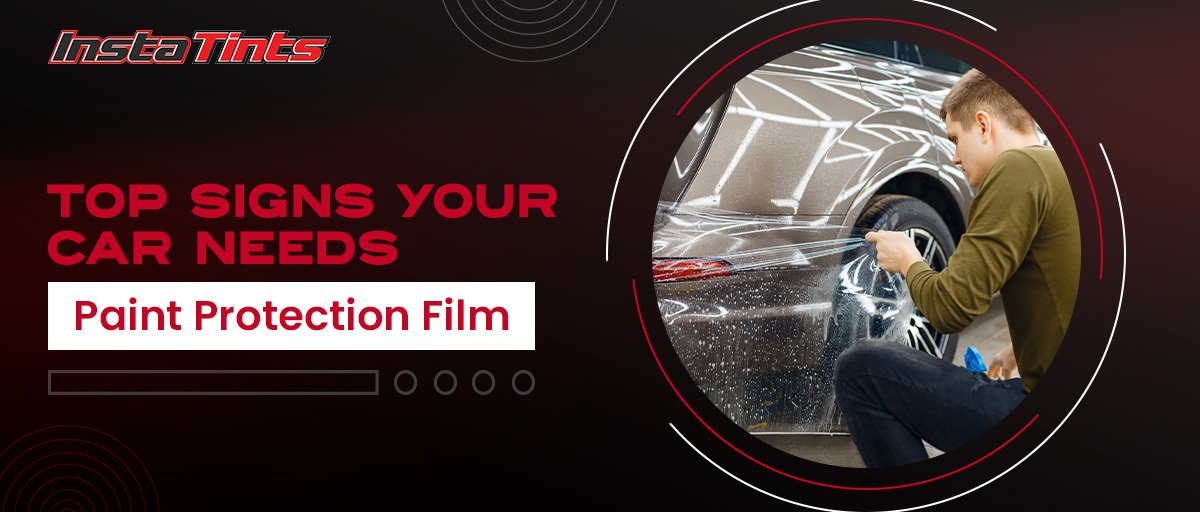
What’s this article about? Your car’s paint is telling you something. Here are the signs it’s time to stop ignoring it.
Most people don’t think about protection until the damage is already done. A chip here, a scratch there, a bumper that suddenly looks ten years older than the rest of the car. By then, you are looking at car body shop quotes instead of prevention costs.
Paint protection film in Hamilton costs a fraction of repairs. And the signs your car needs it? Pretty hard to miss once you know what to look for.
Your Hood Is Full of Rock Chips
Rock chips from highway driving damage unprotected paint faster than most people expect. The real problem isn’t how they look, it is what happens next. Chips that reach bare metal let moisture in, and rust starts spreading underneath before you even notice it on the surface.
Worn-Out Front Bumper
It’s first in line for everything the road throws at you. Be it debris, insects, road spray, or salt. If your bumper looks noticeably duller or more scuffed than the rest of the car, that is bare clear coat taking daily punishment with nothing protecting it.
You Just Bought the Car
Honestly, this is the best time to get it done. The paint is factory-fresh; there is nothing to hide underneath, and the film goes on clean. A lot of people wait until damage appears. By then, you are protecting compromised paint instead of perfect paint. Getting ahead of it makes the whole thing worth more.
You Park Outside Every Day
No garage. No cover. Just open sky year-round. Hamilton winters alone are brutal! Salt, slush, and freeze-thaw cycles are constantly working on bare paint. Add summer heat, UV exposure, bird droppings sitting on the surface, and tree sap that bonds if it dries – it is a lot for an unprotected clear coat to handle on its own.
Noticeable Swirl Marks
Stand next to the car on a bright day and look at the panels at an angle. See those fine, circular scratches catching the light? That is a wash-marring. Tiny grit particles are dragged across the surface over time during washing. Polishing removes them, but they come back. A self-healing film topcoat handles minor surface marks on its own, without you having to do anything.
Faded Paint Near the Roof or Trunk
These are the panels that sit under direct sunlight the longest. If they look even slightly lighter or more oxidized than the sides of the car, UV degradation has already started working. Paint protection film has UV inhibitors built into the film itself. Pair it with the ceramic coating that Hamilton professionals apply over PPF, and you have got serious long-term coverage sorted for every panel.
Door Edges Are Scratching Up
Pull into a tight parking spot, and the door catches the car next to you. Happens constantly. Door edges are among the first places paint fails and among the easiest to protect before they become a rust problem. Most people neglect this region until it’s awful already.
Visible Small Rust Spots
If your car has old chips or scratches that were never repaired, you must go for it. It will ultimately rust and trust us, it doesn’t remain small. It spreads discreetly beneath the clear coat, and so does the repair expense. Any rust you see indicates that the paint has already broken through, and you need to preserve the rest of the automobile before it breaks through elsewhere.
The Car Lives on the Highway
Highway travel does more damage than city driving. That is just math! More trucks, more gravel, more speed make things happen. If the 403 or the Lincoln Alexander is your everyday drive, your front end is working hard every single day, and naked paint just isn’t up to the task.
You’ve Already Had One Panel Repainted
An auto body company has already been brought in. That’s the automobile telling you something. One panel is gone, along with the factory paint, and the question is whether the remainder of it receives the same treatment before the next stone strikes. Now it is cheaper to protect the remaining panels than to fix them next time.
Planning to Sell It
One of the first things customers notice is paint quality. It’s also one of the simplest things they employ to get the price down. One of the easiest things to sell is a clean, protected exterior. Buyers get ammunition from one with chipping, fading and damaged door edges. Safeguarding the paint today is saving the resale discussion down the road.
The Car is Dark-Coloured
What colour is your car? Black, dark navy, dark grey, maroon? These hues show every scrape, swirl mark and wet stain in the appropriate light. Damage shows up more readily in a darker paint than in a light hue. You can save your vehicle with paint protection. Hamilton drivers with dark vehicles often come in for it, specifically to keep that deep, clean finish looking the way it did on day one.
Final Thoughts
None of these indications is an emergency by itself. But paint damage doesn’t heal spontaneously, and it seldom remains localized. If a couple of these sound like you, it’s worth talking sooner rather than later. The team at Insta Tints Canada handles paint protection film in Hamilton and across all locations. Stop in before the next Ontario winter decides for you.
FAQs
1. Can I still get PPF if my car already has chips?
Small chips are often repaired before the application of the film. An examination will inform you where you are, but more significant damage may require a full repair first.
2. Does PPF work on old cars?
Yes, if the paint below is in decent shape.
3. Can I put ceramic coating over PPF?
Absolutely. Ceramic coating is applied over the PPF, giving the surface a shine, making it easier to clean, and providing chemical resistance as well as the physical protection already provided by the film.
4. How long does PPF endure during Ontario winters?
Good-quality film handles salt, cold, and temperature changes well. With basic maintenance, a good lifetime is eight to 10 years before replacement is needed.
5. Do I need to cover all the panels or just the front?
It all depends on what you are concerned about and how you drive the automobile. The full front is for the highest-danger locations. Full coverage makes sense for long-term ownership or for higher-value cars. Worth talking through for your unique scenario.